Posted
23 Mar 2026
Six Unexpected Curiosities Hidden in WAnderland’s Collections
One of the great joys of travelling through regional Western Australia is discovering the strange, delightful and sometimes baffling objects tucked away inside small museums and cultural centres.These collections are treasure troves of the unknown, showcasing stories about local communities, industries and also revealing the wonderfully unexpected. A humble tea tin becomes a reminder of station life. A mangled typewriter tells the story of an explosive accident. If you enjoy the unusual aspects of history, these six quirky objects offer a perfect introduction to the hidden treasures waiting inside WAnderland’s collections.
Mangled Typewriter Keys
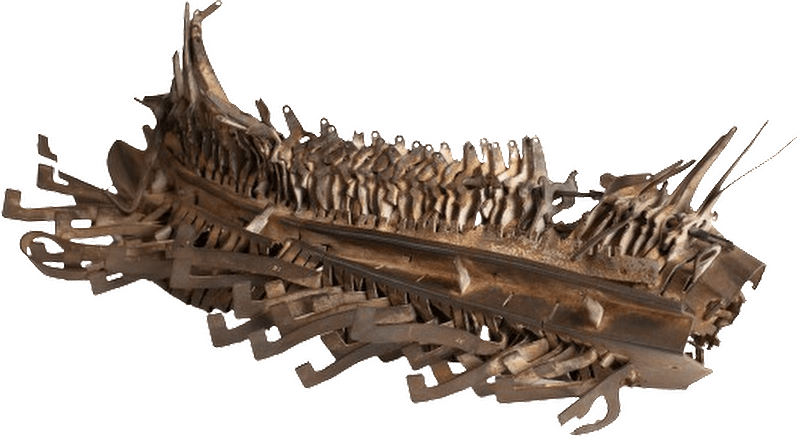
At first glance, they look like scraps of metal, but the twisted typewriter keys displayed at the Norseman Historical Museum tell a story that sounds almost like a movie plot. The keys were discovered on the roof of the Norseman Post Office after someone blew up the town courthouse in March 1977. The explosion scattered debris across nearby buildings, including parts of a typewriter that somehow landed on the roof. The keys capture a moment when a dramatic event shook a small Goldfields town and left behind a piece of evidence that still sparks curiosity decades later.
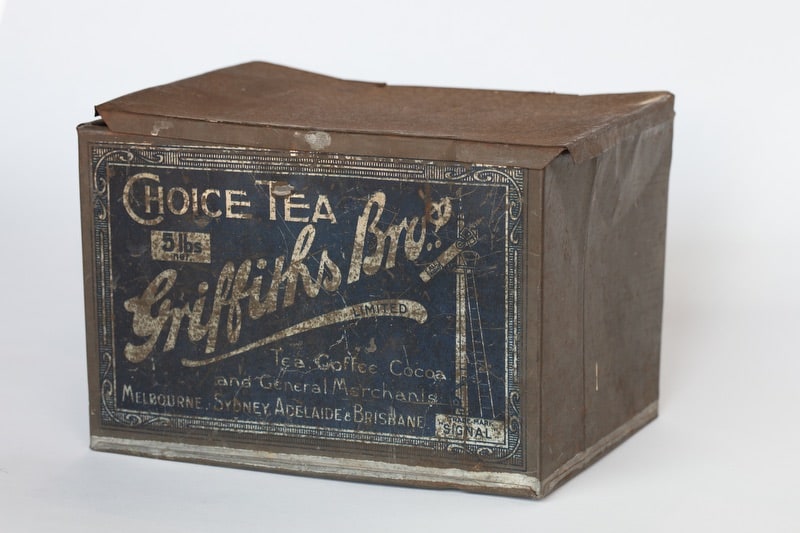
Griffiths Bros Choice Tea Tin
Tea might seem like an ordinary household item, but this humble tin tells a much larger story about life on remote pastoral stations. The Griffiths Bros Choice Tea Tin displayed at the Karijini Visitors Centre represents a time when tea formed a part of the rations given to Aboriginal workers on nearby cattle stations. Instead of wages, workers were often paid in goods such as tea, flour, sugar and tobacco. Seeing the original tin helps visitors understand how everyday items carried deep social and economic meanings in the past. Something as simple as a tea container becomes a powerful reminder of survival and community life in the Pilbara.
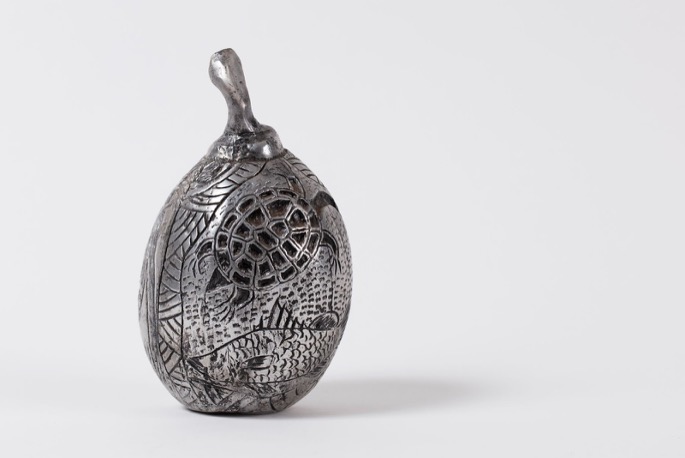
Aluminium Boab Sculptures
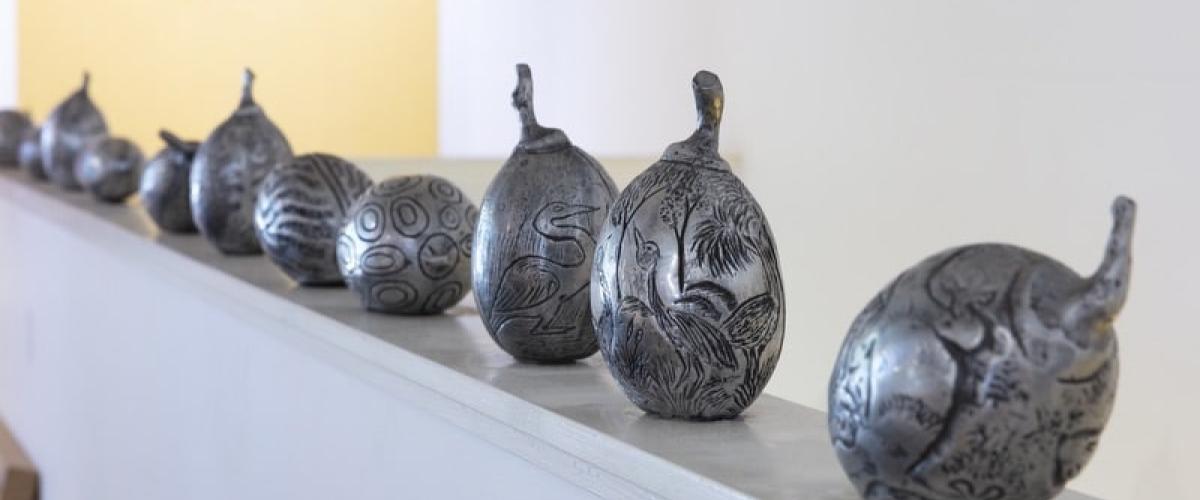
Boab nuts have long been carved by Kimberley artists as a way of sharing stories of Country and culture. At Waringarri Aboriginal Arts, however, artists experimented with an innovative twist. Instead of carving the nuts themselves, their intricate designs were transformed into sculptures cast in aluminium. The result is a striking combination of traditional storytelling and contemporary material. The shiny surfaces reflect the light, making the carvings appear almost alive. Each sculpture carries connection to Country, history and community knowledge.
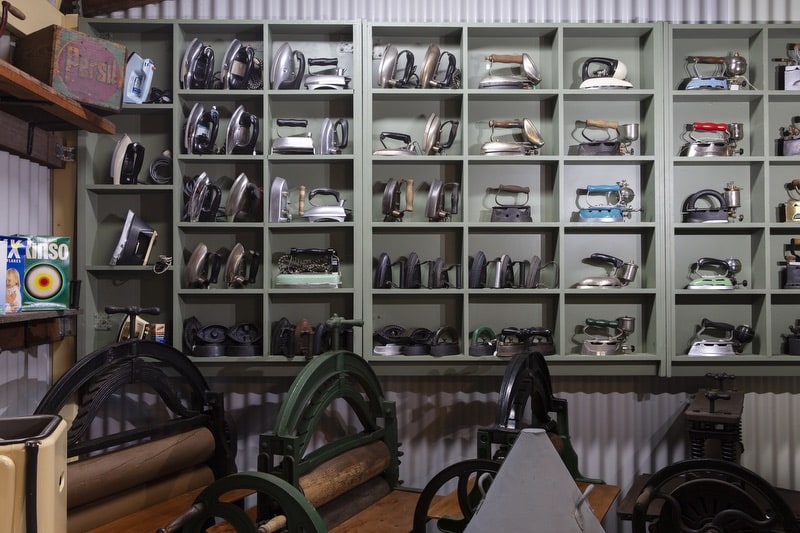
The Flat Iron Collection
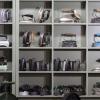
Before the convenience of electric appliances, ironing clothes was a far more demanding task. The collection of historic flat irons and Dardanup Heritage Park shows just how heavy the job could be. These irons were made from solid metal and heated on stoves before being used to press clothing. Some even contained compartments filled with hot coals to keep the irons warm for longer. Looking at the bulky shakes and sturdy handles, it’s easy to imagine the patience required to iron a full basket of clothes! What now takes minutes once needed a considerable amount of effort and time.
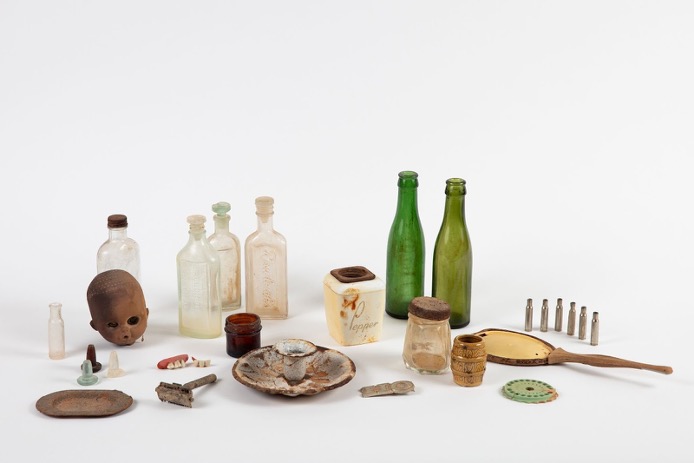
Objects Unearthed Around Forrest Airport
The tiny settlement of Forrest sits deep in the outback and once supported aviation staff working at the remote airport along the Trans-Australian Railway line. Over time, locals began discovering unusual objects buried around the airfield and nearby buildings. Tools, containers and everyday belongings gradually emerged from the ground, offering small clues about life in this isolated outpost. Rather than throwing them away, residents collected the items and placed them in the Forrest Museum. Together they form an accidental archaeologist record of a place where only a few dozen people once lived and worked.
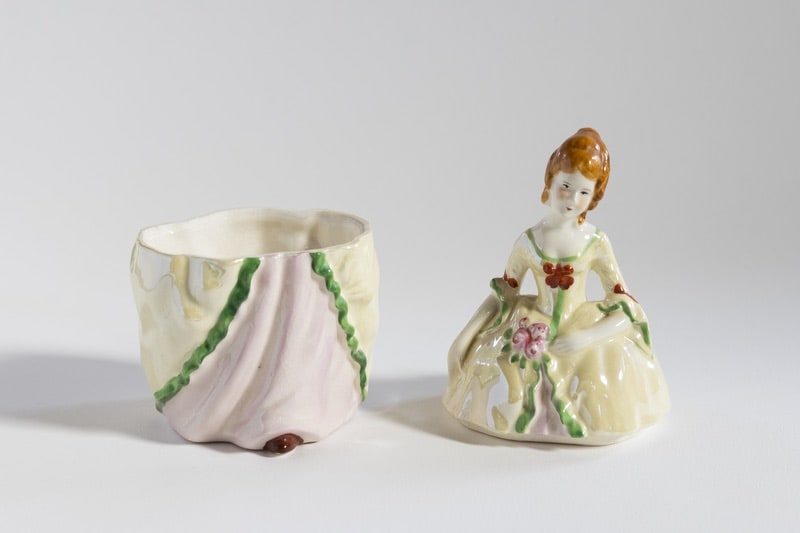
The Ceramic Hair Receiver
At first glance, it looks like a small decorative jar with a lid. But the ceramic hair receiver at the Cunderdin Museum served a rather unusual purpose. In the late 19th and early 20th centuries, people often saved their hair removed from the brushes. Instead of throwing it away, the strands were collected inside containers like this one below and later reused. The hair could be turned into small items, such as pincushions, or even used to create hairpieces. While the practice might seem strange today, it reflects the resourcefulness of earlier households, where almost nothing was wasted. Today, the jar is one of the museum's most popular objects, stopping visitors in their tracks and prompting curiosity and disbelief.
WAnderland’s collections prove that history isn’t just found in famous museums and landmarks. Sometimes it hides inside a tea tin, a pile of airport relics or a heavy iron once used for household chores. Explore beyond the main highway and head off the beaten track to discover these items and many more just like them for yourself.
Use our itinerary builder to create your own unique itinerary to discover the unexpected in WAnderland.